
What Is Sludge in a Septic Tank?
- Home
- Septic Glossary
- Sludge


832-789-5357
Quick answer
Sludge is the layer of heavy solids that settles to the bottom of a septic tank and slowly breaks down. Bacteria digest some of it, but not all, so it builds up over time. When sludge and scum take up too much of the tank, solids can flow onward, and the tank has to be pumped.
Sludge is not a sign that something is broken. Every septic tank makes it, and it is the main reason tanks need pumping from time to time.
How does sludge form?
When wastewater enters a tank, the water slows down. Heavier material sinks, and the lighter material floats as scum. What sinks becomes sludge. Bacteria feed on it and break part of it down into liquid and gas, but some of it is not digestible and stays. Over the years the layer gets deeper.
Why does sludge matter?
The tank needs open space in the middle to hold wastewater long enough for solids to settle. As sludge climbs, that settling space shrinks. Wastewater moves through faster, and more solids ride along with the liquid toward the effluent filter, the pump and the drain field.
Solids that reach a drain field can clog the soil, and that is one of the most expensive failures a septic system can have. Removing sludge at the right time is far less trouble than repairing a drain field.
What are signs a tank has too much sludge?
- Slow drains or toilets that gurgle or back up.
- A filter that clogs more often than it used to.
- A high-water alarm on an aerobic system.
- Sewage odors near the tank or in the yard.
- Wet or lush ground over the drain field.
These signs have other possible causes, so a technician should confirm. The guide on signs of a failing drain field explains how to tell the difference.
How is sludge removed?
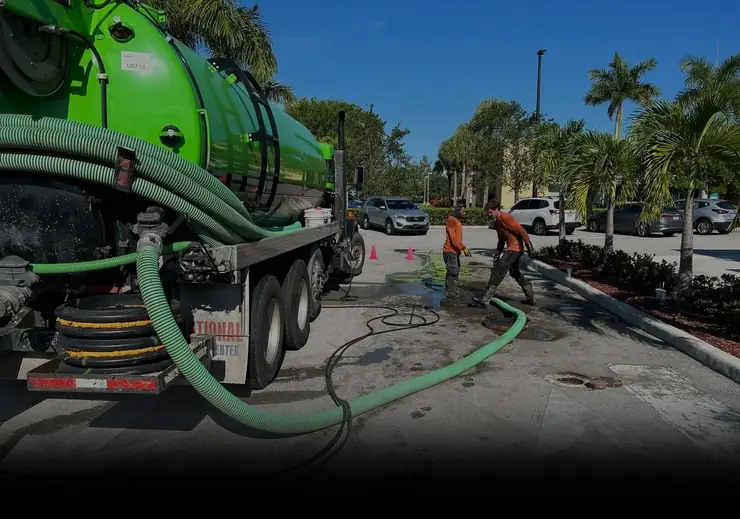
By pumping. A vacuum truck removes the liquid, scum and sludge from the tank, and the technician checks the baffles, filter and walls while the tank is empty. Our post on what happens during septic pumping walks through each step.
Timing depends on the size of the tank, how many people use the system, how much water goes through it and whether you use a garbage disposal. Rather than guessing, follow the schedule in your maintenance contract or the advice of your technician.
Can I reduce sludge buildup?
- Keep non-food solids such as wipes, cat litter and cigarette butts out of the plumbing.
- Limit garbage disposal use, since food waste adds a lot of solids.
- Spread laundry across the week so the tank is not flooded at once.
- Skip chemical additives unless your technician recommends them.
Never open a tank to check the sludge level yourself, because the gases inside are dangerous. To schedule pumping, call 832-789-5357 or see our septic pumping page. Se habla español.
Related septic terms
Quick questions and answers
- Is sludge the same as scum?
No. Sludge settles to the bottom and is made of heavy solids, while scum floats on top and is made of grease and light material. Pumping removes both.
- Will bacteria eventually eat all the sludge?
No. Bacteria digest part of it, but some material is not digestible, so a layer builds up over the years. That leftover layer is why tanks need pumping.
- Does an aerobic tank make less sludge?
Aerobic treatment breaks waste down more fully, but solids still build up in the tanks and filters. Aerobic systems still need regular service and pumping as your technician advises.
Related guides and services
← Back to the full septic glossary
Ready to get started?
Call 832-789-5357, request a quote, or book online. Se habla español.



