
Restaurant Grease Trap and Septic Service Near Houston
- Home
- Restaurant Grease Trap and Septic Service Near Houston


832-789-5357
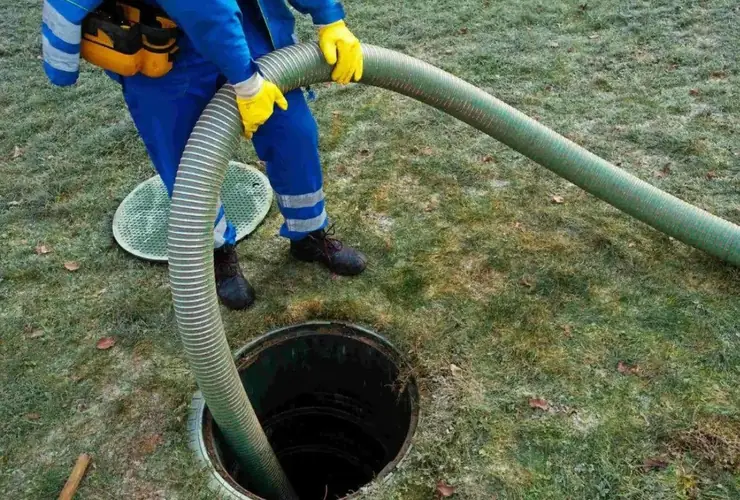
A restaurant kitchen sends grease, food solids and heavy wash water into the drain every day, so a grease trap needs scheduled pumping and, on a property with septic, the system behind it needs care too. Brown Aerobic handles both for restaurants and food service businesses. Call 832-789-5357.
Why do restaurants have two wastewater problems?
The first is grease. Fats, oils and grease cool inside pipes and harden, and they can block lines, foul pumps and overload a septic system. The second is strength. Kitchen wastewater carries far more food solids and organic matter than household wastewater, which is hard on any treatment system.
A grease trap, also called a grease interceptor, catches most of the grease before it leaves the building. It only works while it has room, and that means regular pumping.
How often should a restaurant grease trap be pumped?
There is no single schedule, because it depends on the size of the trap, how much you cook and how much grease goes down the drain. A busy fryer kitchen fills a trap faster than a sandwich shop. We look at your trap and your menu, then set a schedule with you. Grease handling is regulated and often tracked by local rules, so ask us how it applies to your location. Details are on our grease trap pumping page.
What does a grease trap service visit include?
- Locate the trap and open it safely.
- Pump out the contents, including the grease layer on top and the solids on the bottom.
- Clean the trap and check the baffles, lids and inlet and outlet fittings for damage.
- Note anything that needs repair, such as a cracked lid or a failing baffle.
- Leave you with a record of the service, so you have it for your own files.
What if my restaurant is on septic, not city sewer?
Many restaurants outside the city core in Cypress, Tomball, Magnolia, Waller and other rural areas use an on-site system instead of sewer. The grease trap is the first line of defense, and the septic or aerobic system behind it does the treatment. If grease gets through, it can coat the tank, clog filters and shorten the life of the dispersal field.
We service both. A commercial maintenance contract covers the tanks, pumps, aerator, floats and alarms, and testing where the permit requires it. See BOD and TSS testing for what that involves. Building a new restaurant on a rural site? Our commercial design and installation team can plan the grease trap and treatment system together.
Can you clear a clogged kitchen drain line?
Yes. When a line backs up despite a clean trap, the problem is often hardened grease or debris further down. Pipe jetting uses high-pressure water to clear lines, and if the pipe itself is damaged, we can handle sewer repairs. Call and tell us what is happening so we can plan the right equipment.
How can kitchens keep grease out of the system?
- Scrape plates and pans into the trash before washing, not into the sink.
- Collect used cooking oil in a container for pickup. Never pour it down a drain.
- Use drain screens to catch food solids.
- Train new staff on what goes down the drain and what does not.
- Keep the trap lid accessible, so it is never blocked by equipment or stored items.
- Report slow drains early. They are a sign the trap or the line needs attention.
Do you work with multi-location operators?
We can plan service for a group of restaurants when they are in our service area. Call with the addresses, and we will talk through how to schedule the traps and keep the records in one place. We also speak Spanish for kitchen teams. Scheduling around your service hours is something to ask about when you call.
How do I get started?
Call 832-789-5357 or request a quote online. Estimates are free, and Se habla español. Tell us the size of the trap if you know it, how often it is pumped now and whether the property is on city sewer or septic. See our full list of commercial septic services.
Common questions
- Is a grease trap required for a restaurant?
Commercial kitchens generally need a grease trap or interceptor, and grease handling is regulated and often tracked by local rules. Ask us how it applies to your location and check with your local authority. We can pump and maintain the trap you have.
- How do I know my grease trap is full?
Signs include slow kitchen drains, foul odors, grease backing up into sinks and visible buildup when the lid is opened. Do not wait for a backup. A scheduled service interval is more reliable than an emergency call in the middle of service hours.
- Can you service both the grease trap and the septic system?
Yes. We pump grease traps and maintain the septic or aerobic system behind them, so one company can look after the whole path from kitchen drain to dispersal field. Call 832-789-5357 and tell us what your property has.
- Do you offer one-time grease trap pumping?
Yes. Pumping is available on a schedule or as a one-time call, such as before an inspection or after a slow drain. Tell us what is happening when you call and we will arrange the visit.
Ready to get started?
Call 832-789-5357, request a quote, or book online. Se habla español.



