
What Is an Aerobic Treatment Unit (ATU)?
- Home
- Septic Glossary
- Aerobic treatment unit (ATU)


832-789-5357
Quick answer
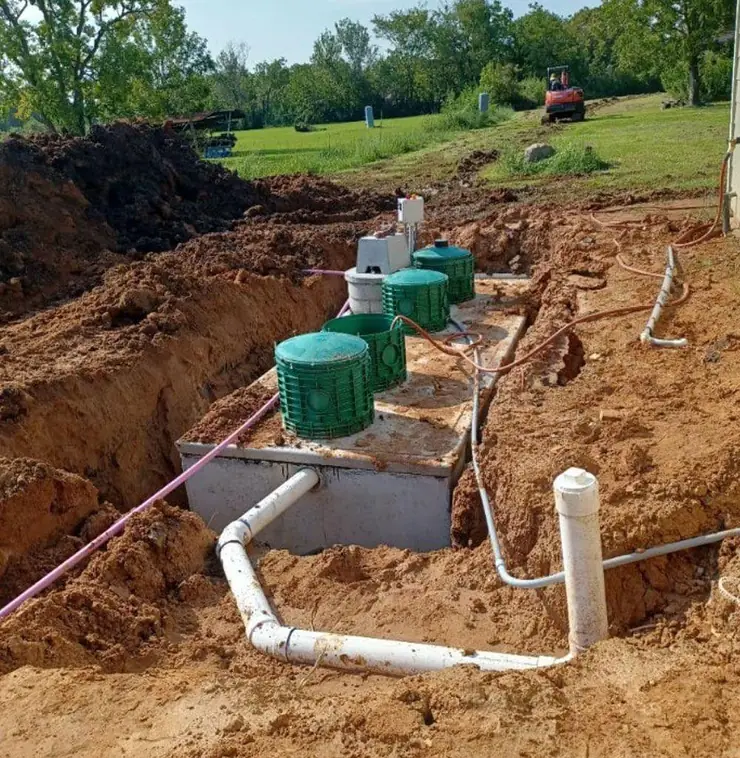
An aerobic treatment unit, or ATU, is the tank assembly at the heart of an aerobic septic system. An air pump feeds oxygen to the wastewater so oxygen-loving bacteria can break it down far more thoroughly than in a conventional tank. The cleaner water then moves on to a pump tank and a spray or drip dispersal area.
When a Houston-area homeowner is told they need an aerobic system, the tank they are buying is the ATU. The abbreviation shows up on permits, maintenance contracts and service tickets, so it helps to know exactly what it refers to.
What is an aerobic treatment unit?
An ATU is a purpose-built treatment plant in miniature. It is usually made of one or more buried tanks, fitted with an air pump and the chambers needed to treat wastewater before it leaves the property. The word aerobic simply means oxygen is added on purpose, which speeds up the work of the bacteria that digest waste.
A conventional septic tank mostly settles solids and leaves the rest of the cleanup to the soil. An ATU does a lot more of the cleanup inside the tank itself, which is why it suits lots where the soil is heavy clay or the water table is high.
How does an ATU work step by step?
- Wastewater from the house enters a first chamber, where solids settle out.
- It flows into the aeration chamber, where an aerator keeps the water mixed and full of oxygen.
- The mixture moves to the clarifier, a calm zone where remaining solids sink.
- The clearer water leaves through a filter and collects in a pump tank.
- On many systems it passes through a disinfection step, then a pump sends it to spray heads or drip lines.
Layouts differ by manufacturer. Some units are a single tank divided into chambers, and others use separate tanks, so ask your technician to walk you through yours.
What can go wrong with an ATU?
- The air pump stops. Without oxygen, treatment slows and odors can appear.
- Solids build up. A tank overdue for pumping passes more solids downstream.
- Bacteria are upset. Heavy bleach use, strong cleaners or medications can disturb the process.
- Alarm conditions. A high water level or a failed pump will set off the alarm at the control panel.
A flooded yard can also affect an ATU. Our guide on septic recovery after flooding explains what to expect and what to do.
How is an ATU looked after?
Texas generally requires a maintenance contract on aerobic systems, at least for the first two years, and most owners keep one going well beyond that. On each visit a technician checks the aerator, floats, filter, pump and alarm, looks at the water in each chamber and tells you when pumping is due. Day to day, your job is to keep wipes, grease and harsh chemicals out of the drains and to pay attention to the alarm.
Questions about a new system? Our aerobic septic system installation page explains the process, and our guide to what an aerobic septic system is covers the full picture. For service or a maintenance contract, see aerobic septic service or call 832-789-5357. Se habla español.
Related septic terms
Quick questions and answers
- Is an ATU the same as an aerobic septic system?
Not quite. The ATU is the treatment tank assembly. The full aerobic system also includes the pump tank, the control panel and alarm, and the spray, drip or other dispersal area that receives the treated water.
- Does an ATU need electricity?
Yes. The air pump and the discharge pump run on electrical power through the control panel, so a power outage pauses treatment. Normal treatment generally resumes once power returns, but call us if the alarm stays on.
- Why do aerobic systems cost more to maintain than conventional ones?
They have moving and electrical parts that need regular checks, and Texas generally requires a maintenance contract for them. In return they treat wastewater more thoroughly and work on sites where a conventional system will not.
Related guides and services
← Back to the full septic glossary
Ready to get started?
Call 832-789-5357, request a quote, or book online. Se habla español.



