


832-789-5357
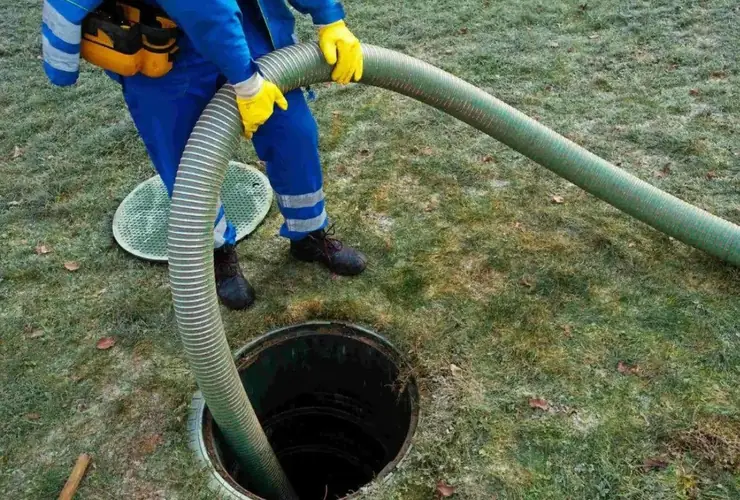
How Often Should You Pump Your Septic Tank?
As a general rule of thumb, most residential septic tanks need to be pumped roughly every three to five years. That range holds up as solid, common-sense guidance for an average household — but "average" is doing a lot of work in that sentence. The right interval for your property depends on a handful of factors that can push you well outside that window in either direction.
What Affects How Often You Need to Pump
Tank size. A larger tank holds more capacity before the sludge and scum layers build up to a level that affects performance, so a bigger tank generally stretches out the time between pumpings compared to a smaller one serving the same household.
Household size. More people living in the home means more wastewater flowing into the tank and more solid waste settling out. A household of two and a household of six putting the same tank to very different use will end up on very different pumping schedules.
Water usage habits. How much water your household sends down the drain each day — long showers, frequent laundry loads, a garbage disposal used often — directly affects how quickly your tank fills and how hard your drain field has to work. High water usage can shorten the interval between pumpings even for a well-sized tank.
What goes down the drain. Flushing things a septic system isn't designed to handle — wipes, paper towels, grease, and other non-biodegradable items — adds to the solid buildup and can mean more frequent pumping, on top of raising the risk of a clog or backup.
System type. Aerobic systems break waste down more thoroughly than standard gravity systems, but they still need routine service — not just pumping, but regular checks on the aerator, pump, and control panel. See our companion piece on how aerobic septic systems work for more on that maintenance rhythm.
Signs Your Septic Tank Is Overdue for Pumping
Between scheduled pumpings, your system will often tell you when something's off. Keep an eye out for:
Slow drains throughout the house. If multiple fixtures are draining slowly at the same time, it's often a sign the tank is full rather than an isolated clog in one line.
Gurgling pipes. Unusual gurgling sounds from toilets or drains can mean the system is struggling to vent properly because the tank is at capacity.
Standing water or soggy ground near the drain field. Pooling water, unusually lush grass, or a spongy patch of yard over the drain field can indicate the system is overwhelmed and effluent isn't draining the way it should.
Sewage odors in the yard or inside the home, especially near drains or the tank lid.
Sewage backup into tubs, showers, or toilets — the clearest sign that the system needs immediate attention.
None of these signs are things to wait out. A tank that's allowed to overfill can send solids into the drain field, which is a far more expensive problem to fix than a routine pumping.
Get on a Schedule That Fits Your Property
Because tank size, household size, and usage vary so much from property to property, the most reliable way to know your actual pumping interval is to have your specific system evaluated rather than guessing from a general rule. Brown Aerobic Septic Specialists has serviced over 1,000 septic systems across Harris, Montgomery, Waller, Fort Bend, and surrounding counties, and we can set your household up with a pumping and maintenance schedule based on your actual tank and usage — not a one-size-fits-all number.



