Septic Services near Spring in Harris County, TX
- Home
- Service Areas
- Spring


832-789-5357
Quick answer
Spring straddles Harris and Montgomery counties, so septic permits and requirements depend on which side of the line your property sits. Brown Aerobic installs new systems and handles pumping, maintenance and repairs on both sides. Confirm your county first, then call 832-789-5357 for a free estimate.
Septic Services near Spring in Harris County, Texas: What They Do
Homeowners in and around Spring, TX, count on licensed experts to keep their septic systems safe, efficient, and compliant. Septic services near Spring in Harris County handle everything—from permits and system design to installations, maintenance, inspections, jetting, pumping, and replacements. For aerobic units, technicians also test air delivery, chlorination, timers, alarms, and diffusers to ensure reliable performance year-round.
Benefits of Using Septic Services Near Spring in Harris County
Local expertise matters. Teams that serve Spring neighborhoods every week understand clay-heavy lots, seasonal groundwater shifts, and the documentation Harris County expects during design and inspection. That familiarity reduces design errors, speeds approvals, and ensures your system is sized correctly for bedroom count, usage patterns, and future additions.
Professional maintenance extends lifespan by catching small issues early—like baffle wear, root intrusion, float switch failures, or biomat buildup—before they become drain field failures. Technicians use calibrated sludge tools, cameras, and pressure testing to verify real conditions instead of guessing.
Because they maintain many systems nearby, they recognize patterns quickly and can recommend practical upgrades such as effluent filters, high-quality risers, or surge capacity that protects your yard during heavy rain.
What Are the Benefits of Hiring a Nearby Team?
Choosing a nearby provider improves response time and reduces trip charges. When a toilet gurgles or a control panel alarm sounds, same-day or next-day assessments are common because crews are already in the area.
Technicians who work in Spring routinely arrive with parts commonly used in this region—risers, lids, effluent pumps, chlorinators, air compressors, floats, filters, and timer controls—so many repairs are completed on the first visit.
A Harris County–savvy crew also understands inspection formats often requested during home sales, helping buyers and sellers avoid last-minute surprises. Nearby teams know utility locate timelines, school pickup traffic, and gate codes for common communities, making service smoother and more predictable for busy households.
How Services Adapt to Spring, TX Homes
Spring includes older acreage, cul-de-sacs, and newer developments, each with unique access and drainage considerations. Nearby teams plan for tight gates, tree roots, sprinkler lines, pets, and landscape features.
They may schedule smaller trucks for delicate driveways or coordinate street parking where HOA rules apply.
For aerobic systems, technicians verify disinfection, airflow, timers, and diffuser performance; for conventional systems, they monitor sludge depth, filter condition, and distribution box balance.
During hurricane season and extended rain, providers reinforce power-loss procedures, surge management, and safe pump cycling to protect components. They also map and mark critical locations so future service is fast, precise, and minimally disruptive to lawns and gardens.
✔️ Sewer repairs
✔️ Camera Inspections
✔️ Pipe Jetting and thawing
✔️ Trenching
✔️ Grease trap pumping
✔️ Septic repairs
✔️ Septic maintenance contracts
Step-by-Step Process for Hiring Septic Services near Spring in Harris County, Texas
1. Start with discovery. Share your address, approximate tank location, system type if known, recent symptoms, and any past reports.
2. Evaluation. A licensed technician walks the site, verifies access, checks lids and risers, tests pumps and floats, inspects electrical connections, and may run a camera through lines to confirm pipe condition.
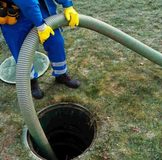
3. Pumping and disposal. If pumping is due, it is scheduled and completed with manifests for compliant disposal at approved facilities.
4. Reporting and recommendations. After diagnostics, you receive a written summary outlining findings, code considerations, and options prioritized by urgency.
5. Proposal and approval. For repairs or upgrades, you get a transparent proposal detailing labor, materials, warranty terms, and scheduling windows.
6. Design and permitting. If replacement is the best path, designers prepare drawings, coordinate with Harris County, and specify a system matched to your soil profile, household usage, and plans.
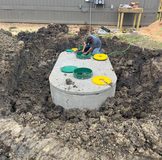
7. Construction and startup. Work proceeds with erosion control, careful excavation, utility protection, and final grading, followed by startup testing and homeowner orientation so you know exactly how to care for the system.
Transparent Pricing and Communication You Can Trust
Trust grows when pricing is clear and expectations are written. Reliable providers specify scope, labor, equipment, parts, hauling, and permitting so you are never guessing what is included.
You should see disposal methods, warranty terms, and exclusions in plain language. Schedules are built around your day, with proactive updates if weather changes excavation plans, and clear scheduling throughout.
Photo documentation and simple diagrams show tank location, line routing, control components, and any parts replaced. Digital invoices and maintenance logs keep records tidy for future buyers and for your own planning.
Smart Maintenance Habits for Long-Term Reliability
Routine care prevents emergencies and protects your yard. Pump tanks on the recommended interval, typically every three to five years for many households, or more often for heavy usage or compact tanks.
Keep wipes, grease, and harsh chemicals out of the system to protect the bacteria that do the hard work. Space out laundry loads to prevent hydraulic overload, divert roof drains away from the drain field, and plant only shallow-rooted grass over treatment areas.
Add risers if you do not already have them; they save time and labor on every future service call. Ask for a written maintenance plan tailored to your household size and appliances, and calendar reminders for inspections so small adjustments happen before problems grow.
Ready to Move Forward?
If you are noticing slow drains, wet spots near the drain field, frequent alarms, or odors after rain, reaching out early can prevent bigger problems.
Septic Services near Spring in Harris County, TX are prepared to respond quickly, evaluate thoroughly, and map out a plan you can trust.
Whether you need routine pumping, a compliance inspection, a targeted repair, or a full replacement with new permitting, a local, licensed team will guide you step by step so your home stays safe, comfortable, and ready for everyday life.
What Spring customers call us for most
Based on the work we do in and around Spring, these are the services our customers there use most.
Spring is one of the few communities we serve that sits in two counties. That small detail affects who permits your system, so it is worth settling before any work starts.
Which county is my Spring property in?
Your tax statement or county appraisal record will tell you. Each county has its own permitting process for new septic systems, so check with your county permitting office if you are unsure. We work in both, and our pages for Harris County and Montgomery County explain the area.
Is Spring a good place for a new septic installation?
Growth around Spring means more lots outside existing sewer service, and builders and owners often need a system designed to fit. A site evaluation comes first, because clay soil and a high water table can rule out a simple conventional design.
- Start with a site evaluation and soil check.
- Choose between a conventional and an aerobic design.
- Get the permit through the right county.
- Install, inspect and set up a maintenance plan.
Read more about septic installation or the design and permit process.
What about older Spring homes with existing systems?
Older homes need pumping and an inspection first, then a maintenance plan to keep small problems from growing. If the paperwork for the system was lost along the way, a technician can find the tank and tell you what you have. Owners on either side of the county line are welcome to call 832-789-5357 with questions. We can also explain what a first visit involves, from locating the tank to checking the lids, pump and panel.
Septic questions near Spring
- Do permits differ between the Harris and Montgomery sides of Spring?
Each county has its own permitting process, so the paperwork and inspections depend on where the property sits. We handle the permit steps for new installations in either county. If you are unsure, check with your county permitting office or call us.
- Is my Spring home on septic or sewer?
Look at your utility bill. A sewer charge means you are connected. If there is none, you probably have a septic tank, and our crew can locate it if you do not know where it is buried.
- Can a builder in Spring hire you for several lots?
Yes. We install systems and do the site work for builders, including clearing, grading and trenching. Call 832-789-5357 to talk through your lots and timeline, and we will tell you how we would sequence the work.
Other communities we serve in Harris County
Related services
Ready to get started?
Call 832-789-5357, request a quote, or book online. Se habla español.