


832-789-5357
Quick answer
A septic pumping visit removes the liquid, sludge and scum from your tank with a vacuum truck, then the technician checks the tank, baffles or filter and, on an aerobic system, the pumps and alarm. To prepare, clear access to the lids and keep children and pets away. Call 832-789-5357 to schedule.
Most homeowners only think about their septic tank when something goes wrong, so the first pumping visit can feel like a mystery. It is a routine job. Knowing the steps ahead of time helps you prepare, ask better questions and spot a visit that skips the important parts.
What happens during a septic pumping visit?
- Locating and opening the tank. The technician finds the lids, often under a green riser cover, and removes them. If the lids are buried, they have to be located and uncovered first. See how to find your septic tank.
- Checking the levels. Before pumping, the technician looks at the liquid level and the layers inside, which shows how the tank has been working between visits.
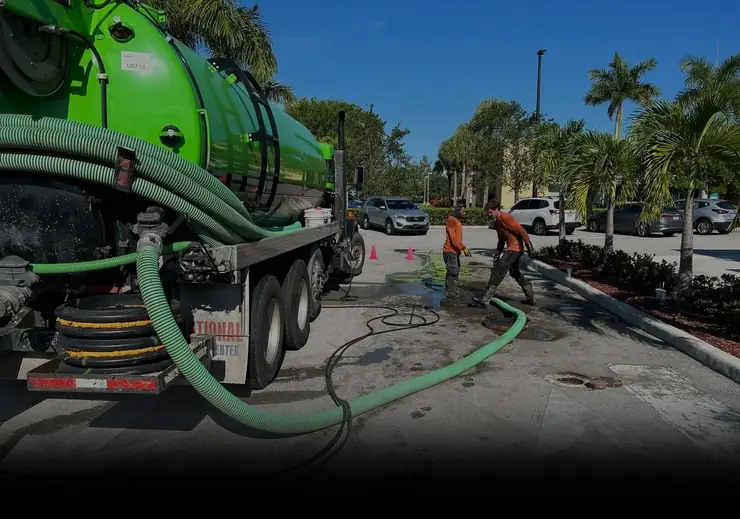
- Pumping the tank. A vacuum truck hose removes the liquid, the sludge that has settled on the bottom and the scum that floats on top. The tank is emptied as completely as is practical.
- Inspecting the inside. With the tank empty, the technician checks the baffles, the walls and the inlet and outlet pipes for cracks, damage or signs of backup.
- Cleaning the effluent filter. If your system has one, it is pulled out and cleaned, because a clogged filter is a common cause of slow drains and backups.
- Closing up. Lids and risers are secured, the area is left tidy, and you should be told what was found and when the next visit makes sense.
How do I prepare for pumping day?
- Make sure the technician can reach the lids. Trim back brush, move vehicles and unlock gates.
- Mark the lid locations if you know them, and gather any records from earlier visits.
- Keep children and pets away from the work area and the open tank.
- Secure the hose route if you have a long drive or a fenced yard, and tell the office about steep or soft ground.
- Write down any symptoms you have noticed, such as slow drains, gurgling or wet spots, so you can mention them.
What is different for an aerobic system?
An aerobic system has more moving parts than a conventional tank, so a proper visit covers more than the pumping. In addition to emptying the tank, the technician should check the air pump or aerator, the discharge pump, the floats and the control panel and alarm. Aerobic systems also have a maintenance contract requirement in Texas, and pumping is usually done alongside those scheduled visits rather than separately. Read more in our guide to aerobic septic service and how often an aerobic system needs service.
Do I need to be home?
Not always. If the lids are accessible and the gate is unlocked, the technician can usually do the work without you. Being there is helpful for a first visit, when you want to see where the tank sits, or when you have questions about what was found. Either way, ask for a note on what was done, including what the technician saw inside the tank and whether the pumps, floats or alarm on an aerobic system were checked. A clear written record makes the next visit easier and helps if you ever sell the home.
What should I do after the tank is pumped?
- Keep the service record somewhere you will find it, including the date and what was inspected.
- Ask whether any repairs were found and what the technician recommends. See our septic repair options if something needs attention.
- Return to normal water use. There is no need to flush anything special afterward, and additives are not a substitute for pumping.
- Consider installing risers if your lids are buried, so the next visit is faster. Our guide to septic lids and risers explains why.
How often should I schedule pumping?
It depends on the size of the tank, how many people live in the home and the type of system, so a fixed calendar is a guess. We measure sludge and scum and recommend a schedule from what we find. For general guidance, read how often to pump your septic tank, or compare our maintenance contracts.
Ready to book? See our septic pumping service, call 832-789-5357, or request a free estimate. Se habla español.
Quick questions and answers
- Does pumping take all the waste out of my septic tank?
The truck removes the liquid, sludge and scum as completely as is practical. A small amount of liquid may remain, which is normal and helps the tank restart its natural treatment.
- Should I leave my septic tank lids exposed for pumping?
No. Leave lids closed and secured until the technician arrives. Just make sure they are reachable and not buried under soil, vehicles or heavy objects.
- Will pumping fix slow drains or a smell?
Sometimes, if a full tank or clogged filter is the cause. If problems continue after pumping, the technician can look for a failing pump, a damaged line or a drain field issue.
- Is pumping the same as a septic inspection?
No. Pumping empties the tank. A proper visit also includes a look at the tank and parts, but a full inspection, such as a camera inspection of the lines, goes further.
Related reading and services
More guides
Ready to get started?
Call 832-789-5357, request a quote, or book online. Se habla español.



