
What Is a Septic Camera Inspection and What Does It Find?
- Home
- Septic Glossary
- Camera inspection


832-789-5357
Quick answer
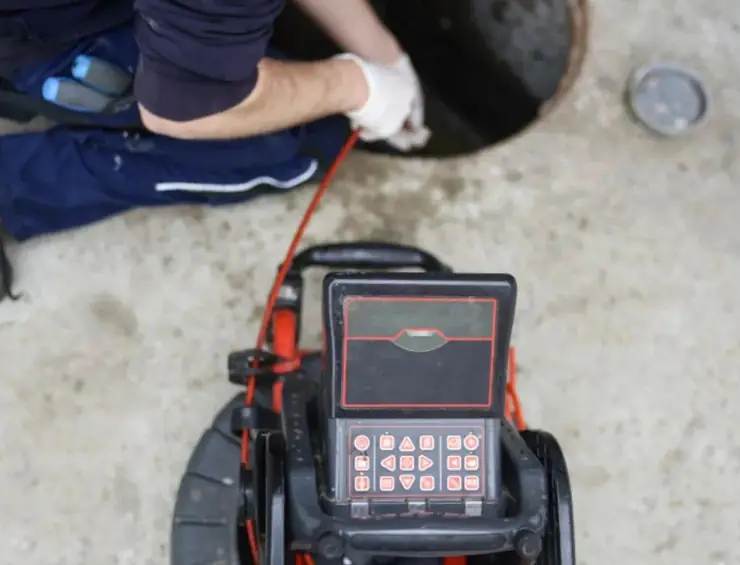
A camera inspection feeds a small waterproof camera through a pipe so a technician can watch its condition on a screen. It reveals roots, cracks, sags, buildup and blockages without digging up the yard, and it is especially useful before buying a home or when a drain keeps backing up.
Most of a septic system and its plumbing is buried. A camera inspection gives a technician a clear view of the inside of those pipes, so decisions are based on what is actually there, not on guesses.
What is a camera inspection?
A camera inspection uses a small camera on a flexible cable. The technician feeds it through a cleanout or access point and moves it along the line while watching a monitor. Many setups can also help locate the exact spot of a problem so repairs can be targeted instead of widespread.
What can a camera find?
- Roots that have grown into joints and are narrowing the pipe.
- Cracks or broken sections where soil or water can get in or out.
- Sags where the pipe has settled and waste collects.
- Buildup of grease or scale that restricts flow.
- Blockages from objects or wipes that should never have been flushed.
- Separated or offset joints where two pipe sections no longer line up.
When is a camera inspection worth it?
Camera work makes sense whenever you need answers about hidden pipe. Common situations include:
- Before buying a home, to see the condition of the lines instead of relying on a surface look. Our article on camera inspections for homebuyers covers this.
- After repeated slow drains or backups that clearing has not solved.
- When you suspect roots, especially with large trees close to a line.
- Before a repair, so the work targets the right spot.
- After a clog is cleared, to confirm what caused it.
How does it fit with other septic checks?
A camera shows the pipes. It does not replace a full look at the rest of the system. A complete septic inspection also covers the tank, the equipment, the alarm and the dispersal area. Camera work is often added when the pipes are the question. It is useful alongside cleanout access, which gives the technician a place to enter the line.
How do you prepare?
Make sure the cleanout or access point can be reached, and tell the technician about any past backups, slow drains or repairs. If the cleanout is buried, tank and line locating can help find it first.
We offer septic camera inspections across seven counties. Call 832-789-5357 to schedule. Se habla español.
Related septic terms
Quick questions and answers
- Does a camera inspection require digging?
Usually not. The camera enters through an existing cleanout or access point, so the yard stays undisturbed. Digging may only be needed later if the camera finds a problem that must be repaired.
- Can a camera see inside the septic tank?
A pipe camera is meant for lines. The tank is checked by opening the lid and looking inside, so a full inspection combines both. Ask what is included when you book.
- Will I see what the camera sees?
Often yes. The technician watches a live monitor and can point out roots, cracks or buildup as they appear. Ask whether a recording or notes are available if you need them for a sale or repair.
Related guides and services
← Back to the full septic glossary
Ready to get started?
Call 832-789-5357, request a quote, or book online. Se habla español.



