
What Is a Septic Cleanout?
- Home
- Septic Glossary
- Cleanout


832-789-5357
Quick answer
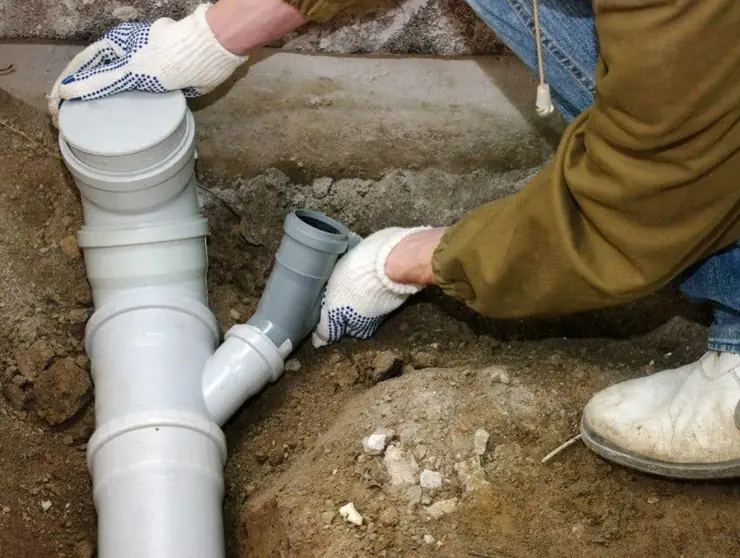
A cleanout is a capped pipe that opens into a sewer or septic line so a technician can clear a blockage, flush the pipe or run a camera inside it. It is usually found near the house or along the line between the house and the tank. Keeping it uncovered and accessible makes service faster.
When a drain line clogs, the quickest fix often starts with a cleanout. It is a simple fitting, yet it can save a lot of digging. Many homeowners walk past one every day without knowing what it is.
What does a cleanout do?
A cleanout is a short vertical pipe, usually capped with a threaded plug or a cap, that connects to the main waste line. It creates an opening where tools can enter the line. A technician can use it to:
- Clear a blockage with a cable or water jetting.
- Run a camera down the line to see cracks, roots or sags.
- Check whether a stoppage is in the house line or farther downstream.
- Flush debris out of the pipe.
Where are cleanouts located?
Most are on the sewer line that runs from the house toward the septic tank. You might find one near the outside wall of the house, along the line in the yard, or near the tank. Some homes have more than one. A cleanout often appears as a round or square cap sitting at ground level, sometimes inside a small box, and it is usually white, black or green plastic or cast metal. If yours is buried, a technician can locate it. See septic tank locating.
How is a cleanout different from a riser or lid?
A riser and its tank lid give access to the inside of a tank. A cleanout gives access to the pipe leading to or from it. They are different parts with different jobs, though a technician may use both during one visit.
What problems can a cleanout have?
- A cap that is cracked, stuck or buried under mulch or sod.
- A cleanout that was mowed over or broken by equipment.
- A missing cap that lets dirt, bugs and water into the line.
- No cleanout at all on an older system, which makes line work harder.
If wastewater is backing up into the house, do not unscrew a cleanout cap yourself. Backed-up lines can release wastewater and gases quickly. Limit water use and call a technician. Cleanouts are also one of the places we start a camera inspection.
How do you keep a cleanout usable?
- Keep the area around it clear of landscaping, mulch and soil.
- Make sure the cap is in place and intact.
- Mark it so you or a technician can find it quickly.
- Tell your technician where it is, and write the spot on your system records.
If your line has no accessible cleanout, we can add one during a repair, which makes later service quicker. See camera inspections and septic repairs, or call 832-789-5357. Se habla español.
Related septic terms
Quick questions and answers
- Where is my septic cleanout?
Usually along the sewer line between the house and the tank, often near an outside wall or in the yard. If you cannot find it, call 832-789-5357 and we can help locate it.
- Can I open my cleanout to clear a clog?
We do not recommend it, especially if the line is backed up, because wastewater and gases can come out. Call a technician who has the right equipment.
- Does a cleanout go into the septic tank?
No. A cleanout opens into the pipe, not the tank. Tank access is through the lid or riser.
Related guides and services
← Back to the full septic glossary
Ready to get started?
Call 832-789-5357, request a quote, or book online. Se habla español.



