
What Is a Soil Evaluation for a Septic System?
- Home
- Septic Glossary
- Soil evaluation


832-789-5357
Quick answer
A soil evaluation is an assessment of a lot's soil done before a septic permit is issued. It looks at soil texture, drainage and how high the water table sits, then guides the choice of system and dispersal area. In the Greater Houston area, clay soil and high water often shape that choice.
Every lot is different underground. Two neighbors can have very different soil, and that is why a septic system cannot be chosen from a catalog. The soil evaluation is the step that tells designers what the ground can actually handle.
What is a soil evaluation?
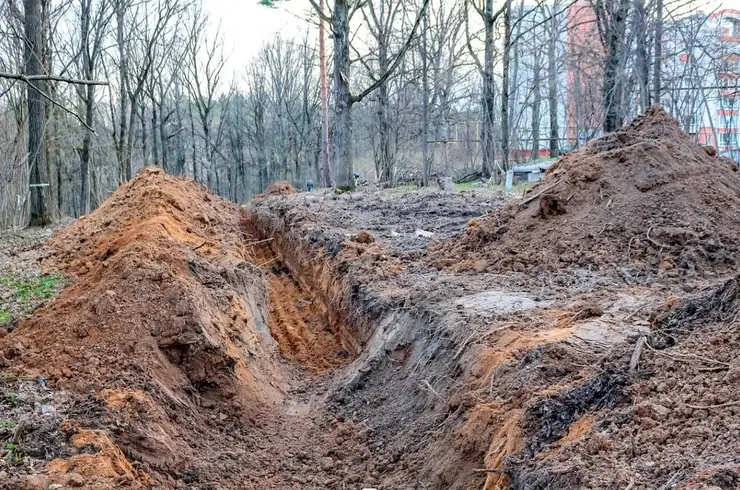
It is a hands-on study of the soil in the area where treated water would be spread. A qualified evaluator examines the soil, records what is found and uses it to recommend which types of systems the site can support. The findings go into the design and the permit application.
What does the evaluation look at?
- Soil texture. Sand, silt and clay absorb water at very different rates.
- Soil structure and layers. A tight layer below the surface can block downward drainage.
- Signs of seasonal saturation. Certain soil colors suggest that water rises close to the surface at times of year.
- Depth to the water table. Treated water needs unsaturated soil beneath it to be cleaned and absorbed.
- Site features. Slope, nearby drainage paths and the space available for the dispersal area.
Why does it matter so much around Houston?
Much of the Greater Houston area has heavy clay soil that drains slowly, along with high water tables and a history of flooding. Those conditions often rule out a simple gravel-and-pipe layout and point toward an aerobic system with spray or drip dispersal. Our article on Houston clay soil and septic systems explains the effects in more detail.
How does the evaluation connect to design and permits?
The soil findings help decide the type of system, the layout and the size of the dispersal area. They are combined with the home's expected design flow to produce a plan that goes to the county's authorized permitting agent. The details of who may perform the evaluation, and what the county expects, vary, so check with your county permitting office.
If you are planning a new build, an addition or a replacement system, start with the evaluation before you finalize a house plan or buy equipment. Doing it in the wrong order is a common and avoidable mistake. Our septic permits guide shows where it falls in the sequence.
We help with septic system design and permits across seven counties. Call 832-789-5357. Se habla español.
Related septic terms
Quick questions and answers
- Do I need a soil evaluation to get a septic permit?
In general, yes. The soil assessment is a standard part of designing a new system and applying for a permit. Check with your county permitting office for the exact process in your county.
- Can the soil evaluation change what system I can install?
Yes. Poor drainage or a high water table can rule out some layouts. The findings guide whether a conventional system works or whether an aerobic system with spray or drip dispersal is a better fit.
- Is a soil evaluation the same as a septic inspection?
No. A soil evaluation studies the ground before a system is installed. An inspection looks at an existing system's condition. They answer different questions at different stages.
Related guides and services
← Back to the full septic glossary
Ready to get started?
Call 832-789-5357, request a quote, or book online. Se habla español.



