


832-789-5357
Quick answer
In Texas, installing or replacing a septic system generally requires a permit before work starts. The usual path is a site evaluation, a system design, a permit application to your county's permitting agent, installation by a qualified installer, and an inspection. Starting without a permit risks corrections, delays, and trouble when you sell.
Most homeowners learn about septic permits at the worst moment, when a system has failed or a building plan is already in motion. Knowing the sequence in advance saves weeks. This guide explains the steps in plain terms. Your county permitting office has the final say on its own requirements, so treat this as a map, not a rulebook.
Do I need a permit to install or replace a septic system in Texas?
Generally, yes. On-site sewage facilities in Texas are regulated under state rules administered by the TCEQ. In most counties a local authorized permitting agent issues septic permits and inspects the work. Where a county has no such agent, the state handles it. Either way, a new system or a major replacement is normally permitted before any digging starts.
Small repairs, such as replacing a pump or a float, usually are not treated like a new installation, but the line between repair and replacement is not always obvious. Call your county permitting office, or call us, before assuming a job is exempt.
What steps come before the permit?
- Site evaluation. A qualified evaluator examines the soil, slope, water table, drainage, and the distances to wells, creeks, property lines and structures. This tells everyone which systems the lot can support.
- System design. A designer selects a system type and sizes it to the household, usually using bedroom count and expected water use. In some cases an engineer or other licensed professional is involved in the planning materials. Our page on septic system design and permits explains how we coordinate this.
- Application. The design, evaluation and fee go to the permitting agent for your county. Expect to supply a survey or plat, house plans or bedroom count, and the location of any wells and easements.
- Approval. The agent checks the paperwork and issues the permit, sometimes after asking for changes. Timing varies by county and by season.
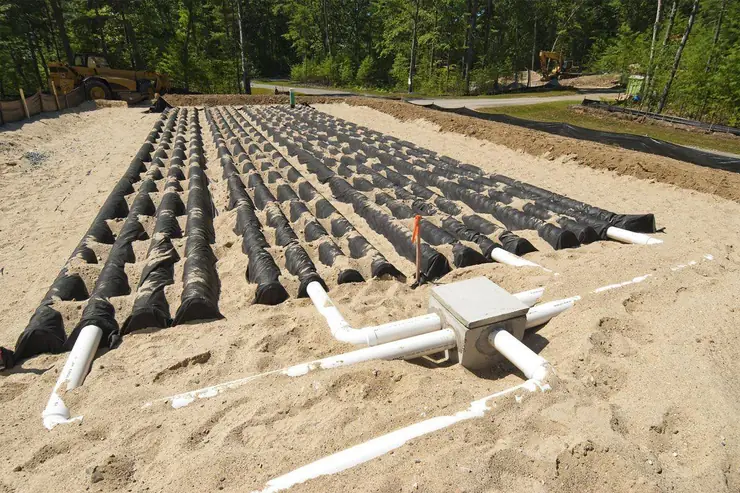
- Installation. Work starts only after approval and follows the approved design.
- Inspection. The permitting agent inspects the installed system before it is covered and approved for use.
- Start-up and maintenance contract. For an aerobic system, the maintenance contract is set up and the owner is shown the panel and alarm.
Who does what?
- You: supply property documents, decide on the budget and the long-term plan, and sign the application and maintenance contract.
- The site evaluator: records what the land can actually support.
- The designer or engineer: turns that into a system plan that meets the rules.
- The county permitting agent: approves the plan and inspects the work.
- The installer: builds exactly what was approved.
- The maintenance provider: services an aerobic system after start-up.
Hiring separate firms for each role is possible, but responsibility can blur when something goes wrong. We coordinate the whole sequence, so you deal with one company from the first visit to the final inspection. See aerobic septic system installation for how that looks for a new system.
What slows a septic permit down?
- A missing survey, plat or house plan.
- Wells, easements, pools or trees that were not shown on the drawing and affect setbacks.
- A lot that cannot support the first system choice, which forces a redesign.
- Floodplain or high water table conditions that need extra design work.
- Starting too late, when a build schedule is already set.
The cure for most of these is to start the evaluation early, ideally before a closing date or a builder's start date.
Why shouldn't I skip the permit?
An unpermitted system has no approved design behind it and no inspection record. That can mean orders to correct or replace the work, a hold on other building permits, and questions from buyers, lenders and inspectors when you sell. A system installed without a proper evaluation is also far more likely to fail early, and a failed field is the costliest repair a septic owner faces. Be wary of any quote that treats the permit as optional or skips the site evaluation.
What should I do next?
If you are replacing a failing system, start by finding out what the current one is and what the county has on file. If you are building, call before the foundation is poured. Brown Aerobic handles evaluation, design, permitting and installation across Harris, Montgomery, Waller, Fort Bend, Austin, Grimes and Brazoria counties. Call 832-789-5357 to schedule a site visit.
Quick questions and answers
- Who issues septic permits in Texas?
In most counties, a local authorized permitting agent issues septic permits and inspects installations under state rules. Where a county has none, the state handles permitting. Your county permitting office can tell you which applies to your address.
- Do I need a permit to replace a failed septic system?
Generally yes. A replacement or major change usually needs a new evaluation, design and permit. Minor repairs may not, so confirm with your county permitting office before work starts.
- How long does a septic permit take?
It varies by county, the time of year and how complete the application is. Starting the site evaluation and design early is the best way to avoid holding up a build or a replacement.
- Can one company handle the design, permit and installation?
Yes. We coordinate the site evaluation, design, permit application, installation and inspection, so there is one point of contact and clear responsibility for the finished system.
Related reading and services
More guides
Ready to get started?
Call 832-789-5357, request a quote, or book online. Se habla español.



