
What Is a Grease Trap and Why Does It Need Pumping?
- Home
- Septic Glossary
- Grease trap


832-789-5357
Quick answer
A grease trap, or grease interceptor, is a tank or compartment that catches fats, oils and grease from kitchen wastewater before it reaches the sewer or septic system. Grease floats to the top and stays in the trap, while cooler water flows on. It must be pumped regularly, or the grease can escape and clog the lines.
Hot cooking grease looks harmless going down a drain. Once it cools in the pipe, it hardens, collects other debris and narrows the line. A grease trap exists to catch it before that happens.
How does a grease trap work?
Kitchen wastewater enters the trap and slows down. Fats, oils and grease are lighter than water, so they rise and form a layer at the top. Food solids sink to the bottom. The water in between, now mostly free of grease, leaves through an outlet set below the floating layer.
Traps come in different forms. Small units can sit under a sink. Larger in-ground interceptors serve whole kitchens. The right type depends on the business and what local rules require, so check with your county permitting office.
Who needs a grease trap?
- Restaurants, cafes and food trucks with a fixed kitchen.
- Schools, churches and event halls with a commercial kitchen.
- Care homes, hotels and other buildings that cook in volume.
- Any kitchen that sends wastewater to a septic system, where grease can do extra harm.
On a property with a septic system, grease is a real threat. It adds to the scum layer, coats the soil of the drain field and can clog the pump and filters. A trap upstream helps protect the tank and everything after it.
What happens if a grease trap is not pumped?
Once a trap is full, it stops trapping. Grease and food solids pass straight through to the sewer line or septic tank. The usual results are:
- Slow sinks and floor drains, then backups in the kitchen.
- Foul odors from the trap, drains or the area around the lid.
- Clogged lines that need jetting, or a clogged effluent filter downstream.
- Problems with the sewer provider or inspectors if the trap is not kept up.
How is a grease trap serviced?
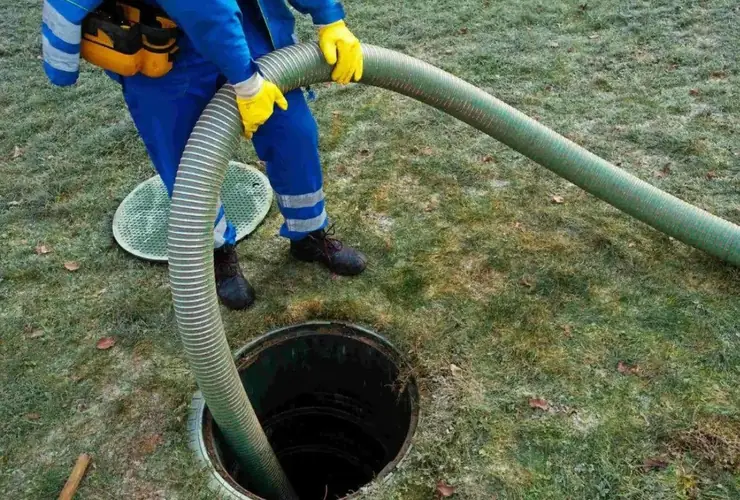
A technician pumps out the grease, water and settled solids, scrapes the walls and checks the baffles and lid, then refills the unit. How often depends on how much cooking the kitchen does, so set the schedule with your service company and your local requirements, and keep records of each visit. Our grease trap pumping service handles this for restaurants and other commercial kitchens.
Staff can help between visits by scraping plates, using strainers and never pouring fryer oil down the drain. Never open an in-ground trap yourself, as the gases are dangerous. For plans that cover the trap, septic tank and pumps together, see commercial septic services and our guide to commercial septic maintenance for restaurants and offices. Call 832-789-5357. Se habla español.
Related septic terms
Quick questions and answers
- Is a grease trap the same as a septic tank?
No. A grease trap only catches fats, oils and grease from kitchen water. A septic tank holds and treats all of a building's wastewater. A kitchen on a septic system may need both.
- Can I use a grease trap at home?
A home kitchen normally does not need one. The better habit is keeping grease out of the drain. If you have a septic system, the tank and filter handle household loads when you avoid pouring fats down the sink.
- Do bacteria additives replace pumping a grease trap?
No. Additives do not remove the grease layer, and they can push grease downstream. Regular pumping is the reliable way to keep a trap working.
Related guides and services
← Back to the full septic glossary
Ready to get started?
Call 832-789-5357, request a quote, or book online. Se habla español.



