


832-789-5357
Quick answer
Before buying a house on septic, ask for the permit, the system type, the pumping and maintenance history, and the maintenance contract. Then schedule a septic inspection with pumping and a camera look at the lines, so you know the condition of the tank, pumps and field before you close.
A house on septic is not a bad purchase. Lots of well-built homes around Greater Houston run on septic systems, especially in the counties north, west and south of the city. But the system is something you will own, maintain and eventually repair or replace, so it deserves the same attention as the roof and the foundation. Here is a practical checklist.
What kind of septic system does the house have?
Ask the seller whether the system is conventional or aerobic, and how old it is. This matters because the two are cared for differently. A conventional system is a tank and a drain field. An aerobic system adds an air pump, a control panel and usually a spray or drip dispersal area, and it generally needs a maintenance contract. See what an aerobic septic system is if the term is new to you.
What should you ask the seller?
- When was the system installed, and who installed it?
- When was the tank last pumped, and by whom?
- Is there a current maintenance contract? Who is the provider and when was the last visit?
- Has the system ever had an alarm, a backup, a repair or a pump replacement?
- Are there any wet spots, odors or slow drains that the family notices?
- Where are the tank, the lids and the control panel?
- How many bedrooms was the system designed for, and have any rooms or bathrooms been added since?
- Does the property flood, or does water stand in the yard after heavy rain?
Which records should you request?
- The septic permit and any layout drawing of the system, from the seller or the county permitting office.
- The maintenance contract and recent service reports.
- Pumping receipts and repair invoices.
- Any inspection reports from previous sales.
- A copy of the system warranty, if one applies, and the manufacturer's manual for aerobic equipment.
If the seller has nothing, that is a signal, not a deal-breaker. Older systems often have thin paperwork. It means the inspection matters even more. Our guide to finding your septic tank can help if the layout is unknown.
What does a pumping and camera inspection show?
A proper inspection is more than a glance at the yard. Our septic inspections typically include:
- Locating and opening the tank so the inside can be examined.
- Pumping the tank so the walls, baffles and inlet and outlet pipes can be seen.
- Checking the condition of the tank, filters, pumps, floats and alarms.
- Looking at the dispersal area for signs of saturation, damage or poor performance.
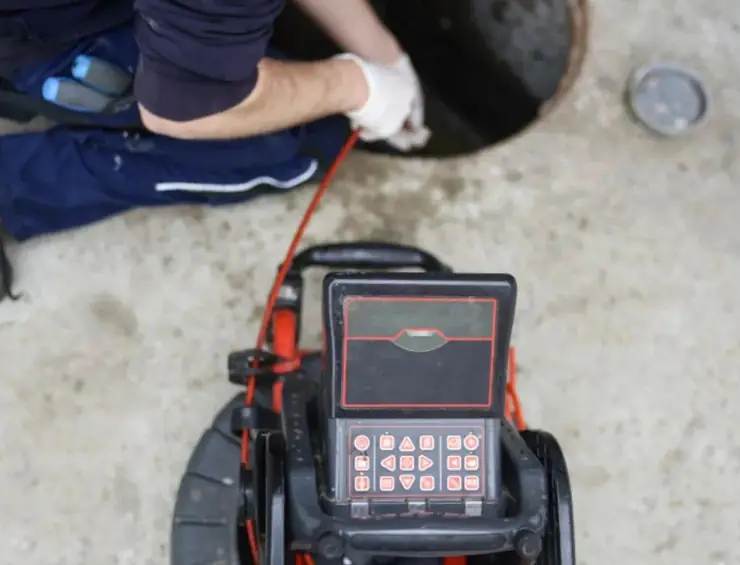
- Running a camera through the lines. A septic camera inspection shows cracks, root intrusion, bellies and blockages that no one can see from the surface.
For a local example of why this is worth doing, read septic camera inspections for homebuyers in Katy.
How does an aerobic maintenance contract transfer to a new owner?
Texas rules generally require a maintenance contract on aerobic systems, at least for the first two years after installation, and often longer. If the system has one, ask whether it can be transferred, and who the new contact will be. If it has lapsed, ask the county permitting office what is required.
- Get a copy of the current contract and the most recent service report.
- Contact the maintenance provider to confirm the buyer's name, phone and address will be added.
- Ask the county whether anything must be filed when ownership changes.
- Plan to keep a maintenance contract in place even after any required period, since the equipment benefits from routine service. See our maintenance contracts.
What are the red flags?
- Sewage odors in the yard or house, or soggy ground over the field in dry weather.
- An alarm that has been disabled, unplugged or ignored.
- No access lids, or lids that are broken or buried.
- Wipes, grease or chemicals described as normal household habits.
- Additions such as extra bedrooms or a pool built over or near the system.
- A seller who cannot say when the tank was last pumped.
- A property in a low or flood-prone area with no history of how the system handled heavy rain.
What if the inspection finds a problem?
Not every finding means a new system. Some issues are small, such as a worn pump or a broken lid, and some call for septic repairs. If the field has failed, see drain field replacement. Use the written findings to negotiate repairs or credits before closing, and ask for a written quote on any work. To schedule an inspection for a home you are buying, call Brown Aerobic at 832-789-5357.
Quick questions and answers
- Should I get a septic inspection before buying a house?
Yes. A septic system is a major part of the property and its condition is not visible from the yard. An inspection with pumping and a camera look at the lines tells you what you are taking on.
- What is the difference between a septic inspection and a camera inspection?
A septic inspection checks the tank, pumps, filters and dispersal area, usually with pumping. A camera inspection runs a camera through the pipes to find cracks, roots and blockages. Together they give the full picture.
- Does the aerobic maintenance contract stay with the house?
The system stays with the property, but the contract is an agreement with a provider. Ask the seller for a copy, confirm with the provider that the new owner is added, and check with the county about any filing.
- Can I negotiate if the septic system fails the inspection?
Often yes. Use the written inspection and a repair quote to ask for repairs, a price adjustment or a credit. Your real estate agent can help with the terms.
Related reading and services
More guides
Ready to get started?
Call 832-789-5357, request a quote, or book online. Se habla español.



