Skipping a Septic Inspection Near Montgomery County, TX? What Goes Wrong
If you are buying a home in Montgomery County, chances are you are juggling a lot at once. Loan paperwork. Negotiations. Inspections. Timelines. Everyone wants answers quickly, and everyone wants the deal to move forward without problems. When a septic inspection comes up, it can feel like just another hurdle, another cost, another thing slowing everything down.
We see this all the time.
From the buyer’s point of view, the thinking usually goes something like this:
The house looks great. The toilets flush. The sinks drain. The seller says the system works fine. Why add one more inspection?
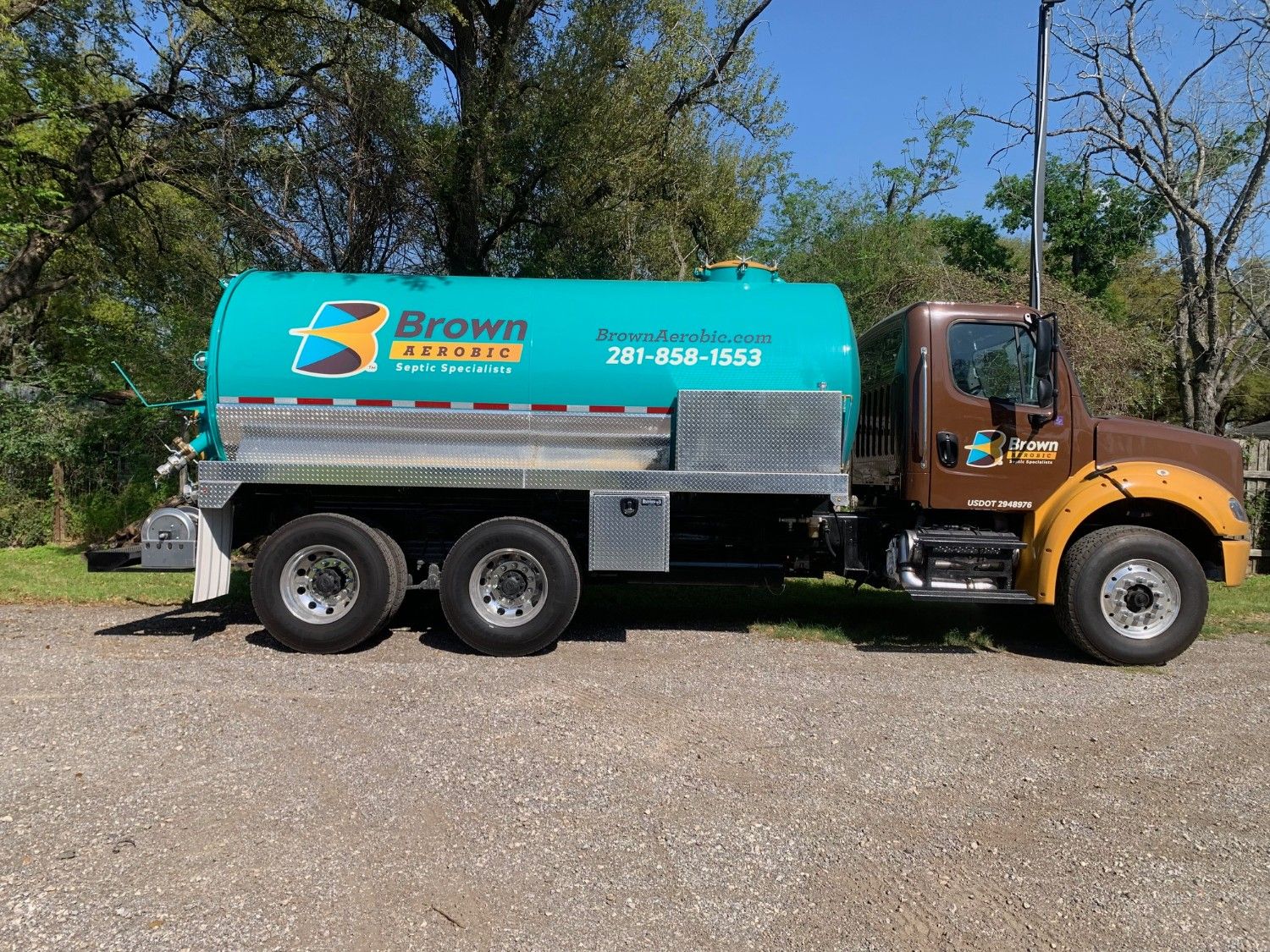
At Brown Aerobic Septic Specialists, based in Cypress and serving Harris, Montgomery, Waller, Fort Bend, Austin, Grimes, and Brazoria Counties, we understand that pressure. We talk to homeowners every week who are trying to make smart decisions without blowing their budget or missing a closing date.
But we also see the other side. The calls that come in months after closing. The stress. The confusion. The surprise repairs that nobody planned for.

Why Many Homeowners in Montgomery County Skip a Septic Inspection
Most buyers do not skip inspections because they are careless. They skip them because they are overwhelmed.
In a competitive housing market, buyers worry about appearing difficult. Some fear that asking for more inspections could jeopardize the deal. Others assume a general home inspection covers everything underground.
There is also a common belief that septic systems are simple. If wastewater disappears and there is no smell, it must be fine.
Unfortunately, septic systems rarely fail all at once. Problems build quietly underground, often hidden by normal daily use. By the time symptoms show up inside the home, the damage is usually well underway.
What a Septic Inspection Actually Checks (And What It Doesn’t)
A septic inspection is not just a box to check off. When done properly, it looks at parts of the system most homeowners never see.
A typical inspection may include:
Locating the septic tank and drain field
Checking tank condition and water levels
Inspecting baffles, lids, and access points
Evaluating aerobic components if present
Identifying signs of drain field stress or failure
Reviewing system design and capacity
What inspections do not do is predict the exact lifespan of every component. They are not guarantees. Instead, they provide clarity. They show current condition, warning signs, and potential risks so buyers can make informed decisions.
The Hidden Septic Problems You Usually Don’t See Until It’s Too Late
Some of the most expensive septic problems do not show obvious symptoms right away.
We often find:
Cracked or deteriorating tanks
Missing or damaged baffles
Saturated drain fields masked by dry weather
Aerobic systems with failing compressors
Improperly sized systems for the home
In Montgomery County, soil conditions and rainfall patterns can hide issues for months. A system might appear fine during a dry period, only to fail when seasonal rains raise groundwater levels.
By the time sewage backs up or surfaces, repair options become limited and costly.
What Happens When a Septic System Fails After You Buy the Home
This is where frustration really sets in.
Once the sale is complete, responsibility usually shifts entirely to the buyer. That means repairs come out of your pocket, not the seller’s.
We have spoken with homeowners who felt blindsided. They did everything they thought they were supposed to do, only to face major septic repairs within their first year.
The emotional toll is real. Instead of enjoying a new home, homeowners are dealing with emergency calls, disrupted routines, and unexpected expenses.
How Skipping a Septic Inspection Can Lead to Unexpected Repair Costs
Septic repairs rarely come cheap because they involve excavation, equipment, and specialized labor.
Common post-purchase repairs include:
Replacing failing aerobic components
Repairing collapsed tank walls
Addressing drain field saturation
Bringing non-compliant systems up to local standards
Without an inspection, buyers have no leverage to negotiate repairs or price adjustments before closing. What could have been discussed calmly becomes a stressful surprise.
Common Septic System Issues Found in Montgomery County Soils
Montgomery County presents unique challenges for septic systems.
Clay-heavy soils drain slowly. Seasonal rainfall can saturate drain fields. High water tables can reduce system efficiency.
We often see:
Drain fields struggling to absorb wastewater
Aerobic systems stressed by moisture
Older systems not designed for modern household usage
Local experience matters. Knowing how systems behave in Southeast Texas conditions helps inspectors spot early warning signs that outsiders may miss.
Septic Inspections vs. Septic Pumping: Why They Are Not the Same Thing
This is a big point of confusion.
Pumping removes waste from the tank. It does not assess the health of the system. In fact, pumping alone can temporarily hide problems by lowering tank levels.
An inspection looks at function, condition, and risk. Pumping is maintenance. Inspections are evaluation.
Skipping an inspection because a system was recently pumped is like skipping a medical exam because you took vitamins. One does not replace the other.
How Texas Weather and Rainfall Make Inspections More Important
Weather plays a major role in septic performance.
In dry months, systems may appear stable. During heavy rains, weak points reveal themselves. Saturated soils cannot absorb wastewater efficiently, leading to backups or surface discharge.
An inspection considers seasonal conditions and soil behavior. It helps homeowners understand how a system will perform year-round, not just on inspection day.
Real Scenarios Where a Simple Inspection Could Have Changed Everything
We have seen homes where a small issue identified early could have saved thousands later.
A cracked baffle that allowed solids into the drain field. A failing aerobic compressor that went unnoticed. A tank lid deteriorating just below the surface.
None of these problems were visible from inside the house. All of them could have been identified with a proper inspection.
When a Septic Inspection Is Most Critical for Homebuyers
Some situations raise the stakes even higher:
Buying an older home
Purchasing property with an aerobic system
Homes that have sat vacant
Properties with additions or increased occupancy
Any time usage patterns change, septic systems are put under new stress. Inspections help buyers understand whether the system is ready for that change.
What Sellers Often Don’t Know About Their Own Septic Systems
Many sellers are not hiding problems. They genuinely do not know.
Septic systems operate quietly in the background. Homeowners may never have experienced a failure, especially if problems are developing slowly.
An inspection protects both sides by bringing clarity to the table.
How Septic Inspections Protect Buyers During Real Estate Transactions
Inspections provide information. Information creates options.
Buyers may:
Request repairs
Negotiate pricing
Plan for future maintenance
Walk away from risky systems
None of those options exist without clear data.
Why Aerobic Septic Systems Require Extra Attention During Inspections
Aerobic systems are common in this region, but they are more complex than traditional systems.
They rely on mechanical components, electrical systems, and regular maintenance. When one part fails, the entire system can suffer.
Inspections ensure all components are functioning together, not just individually.
What Happens If a Septic Problem Is Found Before Closing
Finding an issue before closing is not a bad thing. It is an opportunity.
It allows buyers to make decisions with full awareness instead of reacting to emergencies later. Many deals move forward smoothly once expectations are clear.
How Septic Inspections Help You Plan Instead of Panic
One of the biggest benefits of inspections is peace of mind.
Knowing what you are walking into allows you to plan maintenance, budget responsibly, and avoid surprises. That confidence is worth far more than the inspection itself.
What to Look for in a Septic Inspection Company Near Montgomery County
Not all inspections are equal.
Look for companies that:
Understand local soil conditions
Have experience with aerobic systems
Explain findings clearly
Focus on education, not pressure
You want clarity, not confusion.
Why Local Experience Matters with Septic Inspections in Southeast Texas
Local knowledge helps inspectors interpret what they see. What looks minor in one region may signal trouble in another.
Experience in Montgomery County conditions makes a difference.
When Skipping a Septic Inspection Might Cost More Than the Home Is Worth
This is rare, but it happens.
Severely failing systems can limit property use, complicate financing, and reduce resale value. These risks are avoidable when inspections are part of the buying process.
How Brown Aerobic Septic Specialists Approach Inspections Differently
At Brown Aerobic Septic Specialists, we approach inspections as education, not transactions.
Our goal is to help homeowners understand their system, their risks, and their options. Every property is different, and we take the time to explain what matters for your specific situation.
Final Thoughts: Peace of Mind Is the Real Value of a Septic Inspection
Skipping a septic inspection might feel like saving time or money in the moment. In reality, it often trades short-term convenience for long-term stress.
A septic inspection is not about expecting problems. It is about respecting the complexity of systems that protect your home and health.
If you are buying a home near Montgomery County, understanding what lies beneath your property is one of the smartest steps you can take.
