
Best Time for Septic Pumping Near Austin County, TX
If you own a home near Austin County, Texas with a septic system, chances are you don’t think about it every day.
Most people don’t.
As long as everything seems to be working, it’s easy to assume you’re fine. Water drains. Toilets flush. Nothing smells off.
But then something changes.
Maybe the drains slow down a bit. Maybe there’s a faint odor outside you can’t quite place. Or maybe you realize you can’t remember the last time the tank was pumped.
That’s when the questions start.
“Am I overdue?”
“Is this something I should take care of now?”
“Or can I wait a little longer?”
That uncertainty is common.
At Brown Aerobics, based in Cypress and serving Harris, Montgomery, Waller, and Fort Bend Counties, we talk to homeowners in this exact situation all the time. Septic systems don’t always give obvious warnings, and timing plays a bigger role than most people realize.
Why Septic Pumping Timing Matters More Than Most Homeowners Think
Septic systems are designed to handle waste over time.
But they don’t empty themselves.
As waste builds up inside the tank, it separates into layers:
Solids settle at the bottom
Liquids stay in the middle
Grease and lighter materials rise to the top
If the tank isn’t pumped regularly, those layers start to build up beyond what the system can handle.
That’s when problems begin.
Timing your service correctly helps prevent:
Backups inside the home
Overflow into the drain field
Damage to the overall system
That’s why scheduling Septic Pumping Near Austin County, Texas at the right time is just as important as doing it at all.
Septic Pumping Near Austin County, Texas: How Often Should It Be Done
There isn’t a one-size answer, but most systems follow a general guideline.
Homeowners typically schedule septic pumping every:
3 to 5 years for average household use
More often for larger families
Less often for smaller or low-use homes
However, these are just estimates.
The actual timing depends on:
Household size
Water usage
Tank size
Type of system
If you’re unsure, it’s usually better to check sooner rather than later.
Signs You Shouldn’t Wait to Schedule Septic Pumping
Sometimes, the system gives you clear signals.
If you notice any of the following, it’s time to act:
Slow drains throughout the house
Gurgling sounds in pipes
Unpleasant odors near the tank or yard
Wet or soggy areas around the drain field
Wastewater backing up inside
These signs usually mean the tank is already too full.
At that point, waiting can make the problem worse.
Seasonal Factors That Affect Septic Pumping in Austin County, Texas
Timing isn’t just about how full the tank is. It’s also about when conditions are best for service.
In Austin County, weather plays a role.
Different seasons bring different challenges:
Wet conditions can make access harder
Dry periods allow for easier service
High temperatures can speed up system activity
Planning around these factors can make the process smoother and more effective.
Spring vs. Summer vs. Fall: When Is the Best Time for Septic Pumping
Each season has its advantages.
Spring
Good time to check the system after winter
May involve wetter ground conditions
Summer
Easier access due to drier soil
High demand for services
Fall
Ideal for preparing the system before cooler weather
Often a balanced time for scheduling
In many cases, late spring through early fall works well for Septic Pumping Near Austin County, Texas, but the best time depends on your specific situation.
How Weather in Austin County Impacts Your Septic System
Weather affects more than just scheduling.
Heavy rain can saturate the soil, making it harder for the drain field to function properly.
Dry conditions can make it easier for the system to operate, but they don’t reduce the need for maintenance.
Understanding how weather interacts with your system helps you plan ahead.
The Risks of Waiting Too Long to Pump Your Septic Tank
Putting off septic pumping can lead to more serious issues.
Some of the risks include:
Backups inside the home
Damage to the drain field
Increased repair costs
Shortened lifespan of the system
These problems often cost more to fix than routine maintenance.
That’s why staying on schedule matters.
Septic Pumping Near Austin County, Texas: What the Process Looks Like
If you’ve never scheduled pumping before, the process is straightforward.
It typically includes:
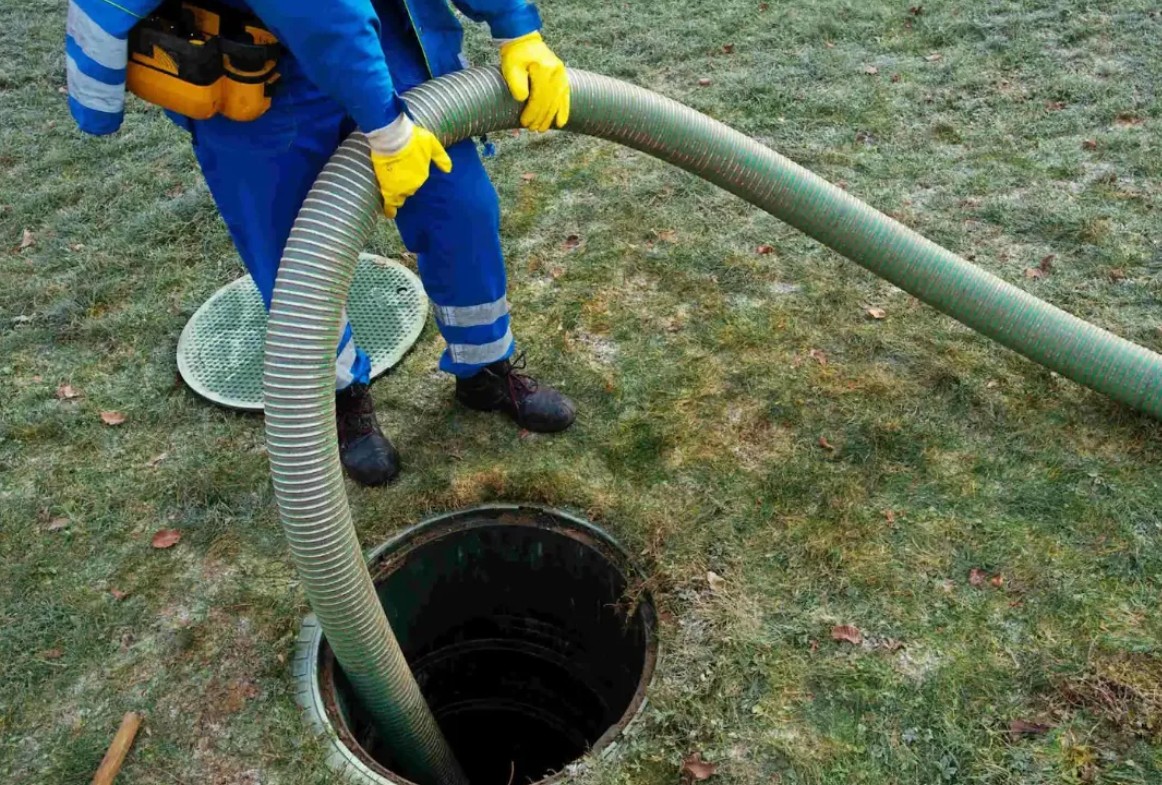
Locating and accessing the septic tank
Removing the contents of the tank
Checking for signs of wear or damage
Ensuring the system is functioning properly
The goal is to reset the system so it can continue working as intended.
How Proper Septic Pumping Extends the Life of Your System
Regular maintenance helps prevent buildup that can damage the system.
By keeping the tank at proper levels, you:
Reduce stress on the drain field
Prevent clogs and blockages
Extend the overall lifespan of the system
It’s a simple step that supports long-term performance.
How to Choose the Right Company for Septic Pumping Near Austin County, Texas
Choosing the right provider makes the process easier.
Look for a company that:
Understands local conditions
Communicates clearly
Provides reliable service
Focuses on long-term system health
At Brown Aerobics, we approach each property with the goal of helping homeowners understand their system, not just service it.
Creating a Septic Maintenance Schedule That Works for Your Home
The best approach is to plan ahead.
Instead of waiting for problems, create a schedule based on:
Your household size
Your system’s capacity
Your usage patterns
This helps avoid guesswork and keeps the system running smoothly.
Planning Ahead to Avoid Septic Emergencies in Austin County, Texas
Septic problems rarely happen without warning.
Most issues build up over time.
For homeowners near Austin County, Texas, staying ahead of maintenance makes a big difference.
With the right timing for Septic Pumping Near Austin County, Texas, you can avoid the stress of unexpected problems and keep your system working the way it should.
Because in the end, it’s not just about pumping a tank.
It’s about making sure your home runs without interruption.
