

832-789-5357
Buying rural land sounds simple at first.
You picture open space. Privacy. A custom home away from crowded neighborhoods. Maybe a workshop, a barn, or enough land for your kids to run around without hearing traffic all day.
Then the real work starts.
Suddenly, you are dealing with drainage problems, soft ground, uneven terrain, clay soil, standing water, septic concerns, and access roads that heavy equipment can barely get through. What looked like a perfect piece of land can quickly turn into a stressful and expensive project if the excavation work is not handled properly from the beginning.
A lot of homeowners around Austin County run into the same problem. They assume rural land is easier to build on because there is more space. In reality, rural properties often come with more unknowns hiding beneath the surface.
That is where proper excavation matters.
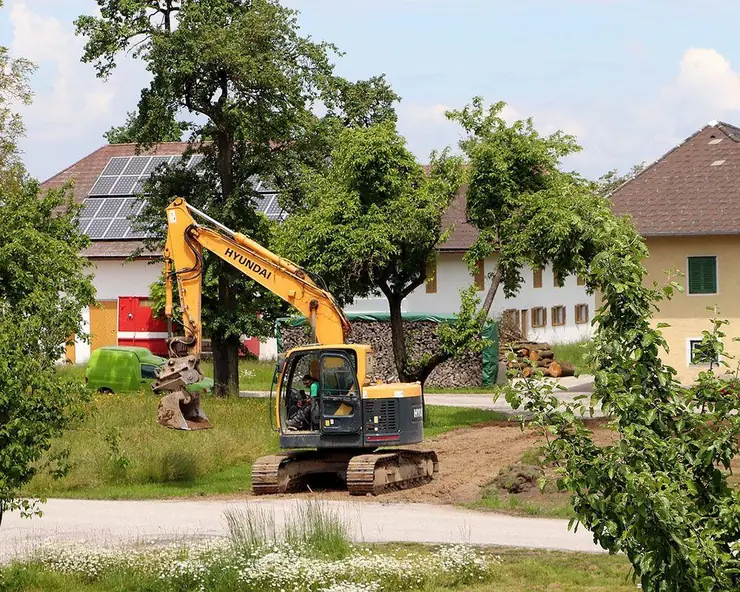
At Brown Aerobics, we work with homeowners throughout Cypress, Harris County, Montgomery County, Waller County, and Fort Bend County who are trying to turn raw land into usable property. Every piece of land is different, and we believe excavation should never be treated like a one-size-fits-all service. A property with heavy clay soil needs a different approach than a property with drainage problems or steep elevation changes.
Why Rural Properties Around Austin County Often Need Specialized Excavation
Rural properties are unpredictable.
In a city subdivision, the land has usually already been graded, cleared, tested, and prepared before homes are built. Rural land is different. It may have never been developed before.
That means the property could contain:
- Hidden tree roots
- Buried debris
- Soft soil
- Drainage problems
- Flood-prone areas
- Uneven terrain
- Poor access roads
- Thick vegetation
- Underground utilities nearby
Many homeowners do not discover these problems until construction begins. Unfortunately, by that point, delays and extra costs start piling up fast.
That is why Residential Excavation Near Austin County, Texas requires more planning than many people expect
Poor Drainage Problems Can Create Major Issues
Drainage is one of the biggest problems on rural properties throughout Texas.
A property may look dry during part of the year, but after heavy rain, water may start pooling in low areas or flowing directly toward where the home will sit
This creates several serious problems:
- Foundation instability
- Soil erosion
- Septic system issues
- Muddy access roads
- Standing water around structures
- Long-term flooding risks
Many homeowners focus only on clearing land and making it look build-ready. What matters more is how water moves across the property.
A good excavation plan takes drainage into account before construction begins.
This may include:
- Proper grading
- Swales
- Drainage systems
- Elevation corrections
- Culvert installation
- Water runoff management
Ignoring drainage problems early can lead to expensive repairs later.
Clay Soil in Texas Causes More Problems Than Most People Realize
Texas clay soil can be extremely difficult to work with.
When it gets wet, it expands. When it dries out, it shrinks and cracks. That constant movement can create major issues for homes, driveways, septic systems, and foundations.
A lot of rural properties around Austin County contain heavy clay soil conditions.
Without proper excavation and grading, clay soil can cause:
- Foundation shifting
- Cracked concrete
- Drainage failures
- Water pooling
- Uneven settling
- Septic performance problems
This is why excavation is not just about digging dirt.
The soil conditions need to be understood before building starts. Sometimes the soil needs stabilization. Sometimes elevation adjustments are needed. Sometimes drainage corrections are necessary to help control moisture levels around the property
Skipping those steps can become very expensive later.
Uneven Terrain Creates Construction Challenges
Many rural properties are not flat.
Some have slopes, rolling terrain, low spots, or elevation changes that make construction more difficult. Homeowners often underestimate how much grading work is needed before building can even begin.
Uneven terrain can affect:
- Foundation stability
- Water runoff
- Driveway placement
- Septic installation
- Accessibility
- Retaining wall needs
In some cases, homeowners purchase land without realizing the build site itself is poorly positioned for drainage or access.
Excavation helps reshape the property so the land works with the project instead of against it.
At Brown Aerobics, we spend time evaluating how the entire property functions before excavation begins. That includes elevation, soil conditions, drainage patterns, and long-term usability.
Land Clearing Alone Is Not Enough
A lot of people assume land clearing and excavation are basically the same thing.
They are not.
Clearing removes vegetation, trees, and brush. Excavation prepares the land for construction.
A property can look clean and open while still having major issues underneath the surface.
For example:
- The soil may still be unstable
- Water may still collect in low spots
- The building pad may not be level
- Drainage paths may still be poor
- Underground debris may remain buried
That is why Residential Excavation Near Austin County, Texas involves much more than simply removing trees.
Proper site preparation creates a stable base for everything that comes after it.
Septic System Challenges on Rural Properties
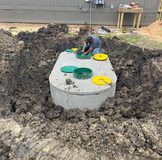
Many rural properties rely on septic systems instead of city sewer connections.
That creates another layer of excavation challenges.
Septic systems require proper:
- Soil conditions
- Drainage
- Elevation
- Slope
- Space
- Water management
A poorly prepared site can lead to septic system failure, standing water, slow drainage, or expensive repairs later.
This becomes even more important on rural land where soil conditions can vary dramatically from one part of the property to another.
Some homeowners try to rush the excavation process to save money. Unfortunately, septic issues caused by poor site preparation often cost far more to fix later.
Flooding Risks Are Often Overlooked
Flooding is not always obvious when someone first buys land.
A property may look perfect during dry weather but become a problem after a heavy storm season.
Some rural properties sit in low-lying areas where water naturally collects. Others have poor runoff patterns that direct water toward future structures.
Without proper excavation planning, homeowners may later deal with:
- Flooded driveways
- Water under foundations
- Soil washouts
- Erosion
- Standing water
- Drainage system failure.
Flood prevention starts during excavation, not after construction.
Proper grading and water management are critical for protecting the long-term usability of the property.
Rural Access Problems Can Slow Down Projects
One challenge many homeowners never think about is property access.
Heavy excavation equipment needs stable access points to safely enter and operate on the property. Rural land often has narrow entrances, muddy paths, soft soil, or heavily wooded areas that make equipment access difficult.
This can slow down projects and increase costs.
Sometimes temporary access roads need to be built before excavation can even begin
This is especially common during wet weather seasons when soft ground conditions become even more difficult.
Underground Obstacles Can Delay Excavation
Rural properties sometimes hide surprises underground.
These may include:
- Old concrete
- Buried stumps
- Rocks
- Abandoned pipes
- Old fencing
- Tree root systems
- Hidden debris
Unexpected underground obstacles can delay projects and create additional excavation work.
That is why experience matters during excavation planning. A contractor familiar with rural properties knows how to identify warning signs before major delays happen.
Excavation Mistakes Become Expensive Fast
Excavation mistakes are difficult to hide.
Poor grading, bad drainage planning, or improper soil preparation eventually show themselves.
Usually in expensive ways.
Some common problems caused by poor excavation include:
- Cracked foundations
- Water intrusion
- Septic failures
- Erosion
- Driveway damage
- Flooding
- Uneven settling
Many homeowners unfortunately learn this after construction is already complete.
Fixing excavation problems after a home is built is far more expensive than doing the work properly upfront
Proper Site Preparation Protects Your Investment
A home is only as stable as the ground underneath it.
That is why excavation should never be treated as the “quick early phase” of a construction project.
Good excavation creates:
- Stable building pads
- Better drainage
- Safer access
- Stronger long-term performance
- Better water control
- Reduced future repair risks
At Brown Aerobics, we believe every property deserves a customized approach because no two pieces of land are exactly alike.
Some properties need drainage corrections. Others need grading. Others require heavy clearing or soil stabilization before construction can safely begin.
The goal is not just making land look clean.
The goal is preparing it properly for long-term success.
What Homeowners Should Ask Before Hiring an Excavation Contractor
Before hiring an excavation contractor, homeowners should ask questions like:
- How will drainage be handled?
- What soil conditions exist on the property?
- Will grading be necessary?
- Are there flood concerns?
- How will water runoff be controlled?
- Is the property suitable for septic installation?
- What hidden issues could increase costs later?
A good contractor should be willing to explain these things clearly.
Excavation is one of the earliest phases of construction, but it affects nearly everything that comes after it.
Why Every Rural Property Needs a Different Excavation Plan
One of the biggest mistakes homeowners make is assuming excavation is straightforward.
Rural land is rarely simple.
Every property has different:
- Soil conditions
- Drainage patterns
- Elevation changes
- Access challenges
- Water flow concerns
- Vegetation
- Construction goals
That is why Residential Excavation Near Austin County, Texas should always start with evaluating the land itself, not just estimating how much dirt needs to move.
At Brown Aerobics, we focus on understanding the property first so the excavation plan fits the actual conditions of the land.
Because when excavation is handled correctly from the beginning, everything that comes after becomes easier, safer, and more reliable.
Related services
More guides
Ready to get started?
Call 832-789-5357, request a quote, or book online. Se habla español.